
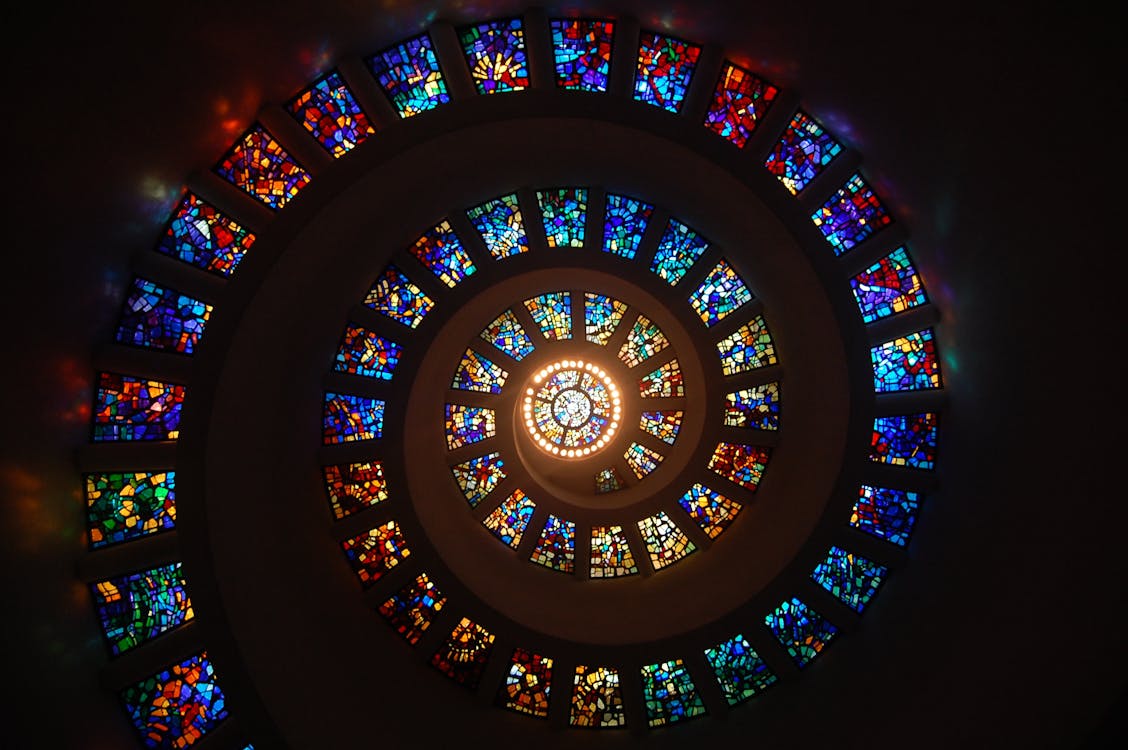
There’s something deeply human about finding shapes in the stars or spotting a familiar face in a patch of clouds. Our brains are wired for patterns. We crave structure in the randomness, a storyline in the noise. Whether it’s predicting the weather by aching joints or believing your lucky socks helped you land that dream job, our minds are constantly creating order—even when none exists.
This instinct isn’t useless. In fact, it’s often vital. Pattern recognition is what allows us to learn languages, drive cars, and dodge danger. We spot rhythms, anticipate behaviors, and react quickly to familiar cues. It’s what helped early humans survive in unpredictable environments and what helps modern humans manage complexity with surprising speed.
But there’s a catch. We don’t just find real patterns—we invent them.
From believing a coin flip is “due” to land on heads to thinking that the elevator arrives faster if you press the button repeatedly, we fall into the same mental traps. The mind wants sequences to mean something. It gets uncomfortable when outcomes feel too random. Enter our tendency to overinterpret, to assign significance where there may be none.
You see this clearly in the way people approach uncertainty. Take, for example, how individuals interact with online roulette. It’s a game built on pure chance, but players often believe that watching patterns—red, black, odd, even—will somehow help them “crack” it. They follow streaks, bet against the last number, or believe a certain result is “due.” It’s all based on a compelling illusion: that randomness follows a rhythm. It doesn’t. But our brains hate admitting that.
This phenomenon spills into everyday life too. Superstitions are just casual pattern rules. Don’t open an umbrella indoors. Don’t walk under a ladder. Wear your lucky shirt before a big meeting. Logically, we know these actions aren’t magical. Emotionally, they feel protective. They add a layer of perceived control in situations where outcomes are uncertain.
Think about sports fans who wear the same jersey for every game or people who knock on wood before sharing good news. These rituals aren’t about logic—they’re about comfort. They give structure to the unstructured. A framework to help us process the unpredictable.
In relationships, we do this too. Someone texts at the same time every day and we think, “They must be thinking about me.” Or if a date cancels twice, we assume a pattern of disinterest. These conclusions might be true—or not. But we gravitate toward patterns because they make interactions feel more predictable, more controllable.
The same applies to the way we manage time. Miss your morning alarm twice in a week, and you may start to believe you’ve “lost your streak,” even if it’s just coincidence. Humans hate randomness. Even bad patterns feel more tolerable than no pattern at all.
So why does this matter?
Understanding our tendency to find patterns can help us challenge it. Recognizing when we’re assigning meaning where there’s none can be liberating. It allows us to let go of unhelpful habits, stop blaming ourselves for uncontrollable outcomes, and avoid falling into anxiety spirals when life doesn’t make sense.
At the same time, embracing this tendency (with awareness) can also add richness to our lives. Rituals can bring comfort. Traditions can ground us. Storytelling—arguably the ultimate pattern—is the backbone of human culture. We just need to know when to zoom out and ask: is this pattern real, or is it just helping me cope?
One trick? Ask yourself: can this pattern be proven? Or does it just feel true?
The key isn’t to stop seeing patterns. It’s to understand when they’re helpful, and when they might be misleading. Our brains are powerful meaning-making machines, and they won’t stop doing what they’re built to do. But we can slow down, examine the data, and remind ourselves that not everything has a hidden message.
Sometimes life is random. And that’s okay.
Still, there’s comfort in looking for rhythm, even if you know it’s not real. Like dancing to a song you made up, or finding beauty in the swirl of leaves on a windy day. The point isn’t whether the pattern is real—it’s what it does for you. If it soothes, empowers, or inspires? Go ahead. Just keep one foot in logic, and one foot in wonder.
Because life isn’t always predictable. But we are the kind of creatures who will always try to make it so.
And maybe that’s not such a bad thing. In a world that often feels chaotic, our pattern-seeking minds offer us stability. They allow us to draw connections between people, events, and feelings—to make sense of heartbreak, success, and everything in between. Patterns aren’t just about numbers or sequences; they’re about meaning. They’re how we build memories, form beliefs, and even predict our own future behavior. Sure, sometimes this leads us astray—like assuming your favorite number is luckier than others or thinking a bad week will last forever. But other times, this instinct fuels creativity, builds rituals, and helps us turn the noise into a symphony.