
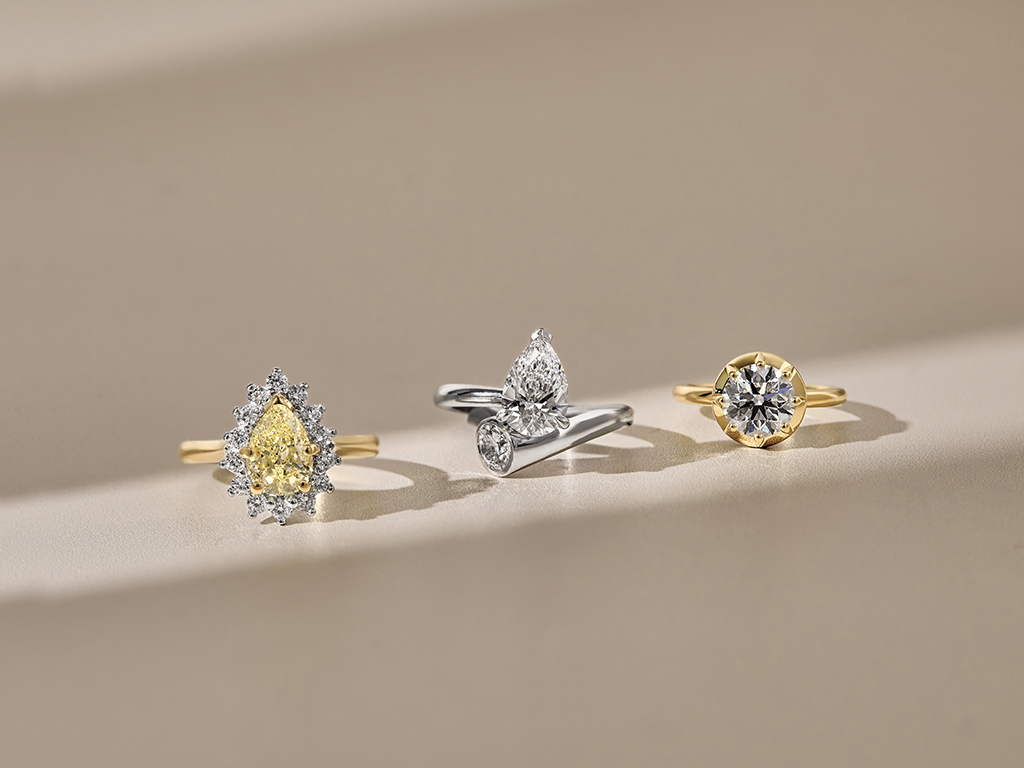
In recent years, lab-grown diamonds have taken the jewelry industry by storm, offering a more ethical and sustainable alternative to mined diamonds. Among the most innovative methods for creating these gemstones is Chemical Vapor Deposition (CVD), a technique that has redefined what it means to produce a diamond.
What Are CVD Lab Diamonds?
CVD diamonds are real diamonds created in a laboratory using a method that mimics the natural conditions under which diamonds form. The CVD process involves placing a diamond seed crystal—typically a thin slice of diamond—into a chamber filled with carbon-rich gas, such as methane. When the gas is heated to high temperatures, the carbon atoms begin to bond and crystallize on the seed, layer by layer, forming a diamond over several weeks.
How CVD Differs from HPHT
There are two main methods of creating lab diamonds cvd: CVD (Chemical Vapor Deposition) and HPHT (High Pressure High Temperature). While HPHT replicates the extreme pressure and heat found deep within the Earth, CVD focuses on low-pressure carbon deposition in a controlled gas environment.
Key differences:
-
CVD diamonds often have fewer metallic inclusions than HPHT diamonds.
-
HPHT diamonds tend to show a yellowish tint due to nitrogen impurities, while CVD diamonds are more likely to be near-colorless.
-
CVD allows more precise control over the growth environment, often leading to better clarity.
Quality and Appearance
CVD diamonds are physically, chemically, and optically identical to natural diamonds. They can exhibit the same brilliance, fire, and sparkle as mined diamonds. Certified by leading gemological institutions such as GIA and IGI, CVD diamonds come with the same cut, clarity, carat, and color grading as their natural counterparts.
Benefits of CVD Lab Diamonds
-
Ethical Sourcing
CVD diamonds are conflict-free, bypassing the human rights issues often associated with traditional diamond mining. -
Environmental Sustainability
Producing lab diamonds generally has a lower carbon footprint and requires significantly less land and water than mining. -
Cost-Effectiveness
CVD diamonds are typically 30–40% less expensive than natural diamonds, offering consumers better value without compromising quality. -
Innovation in Jewelry Design
Because of the controlled growth environment, jewelers can request custom shapes, sizes, and clarity levels, enabling new possibilities in design.
Market Trends and Consumer Acceptance
With growing awareness about environmental and social issues, many consumers—especially Millennials and Gen Z—are embracing lab-grown diamonds. Retailers, including major brands like Pandora and De Beers (via their Lightbox Jewelry line), have introduced dedicated collections of lab-grown stones, further validating their presence in the luxury market.
Challenges and Considerations
While CVD diamonds offer many benefits, the market does face some hurdles:
-
Resale value: Currently, lab-grown diamonds don’t retain value like natural diamonds do in the resale market.
-
Education gap: Many consumers still lack awareness or hold misconceptions about lab-grown stones being “fake.”
Conclusion
CVD lab diamonds represent a technological leap in gemstone creation—one that offers ethical sourcing, environmental sustainability, and affordability. As the technology continues to evolve and consumer awareness grows, CVD diamonds are poised to become not just an alternative, but a preferred choice for modern consumers seeking beauty with a conscience.