
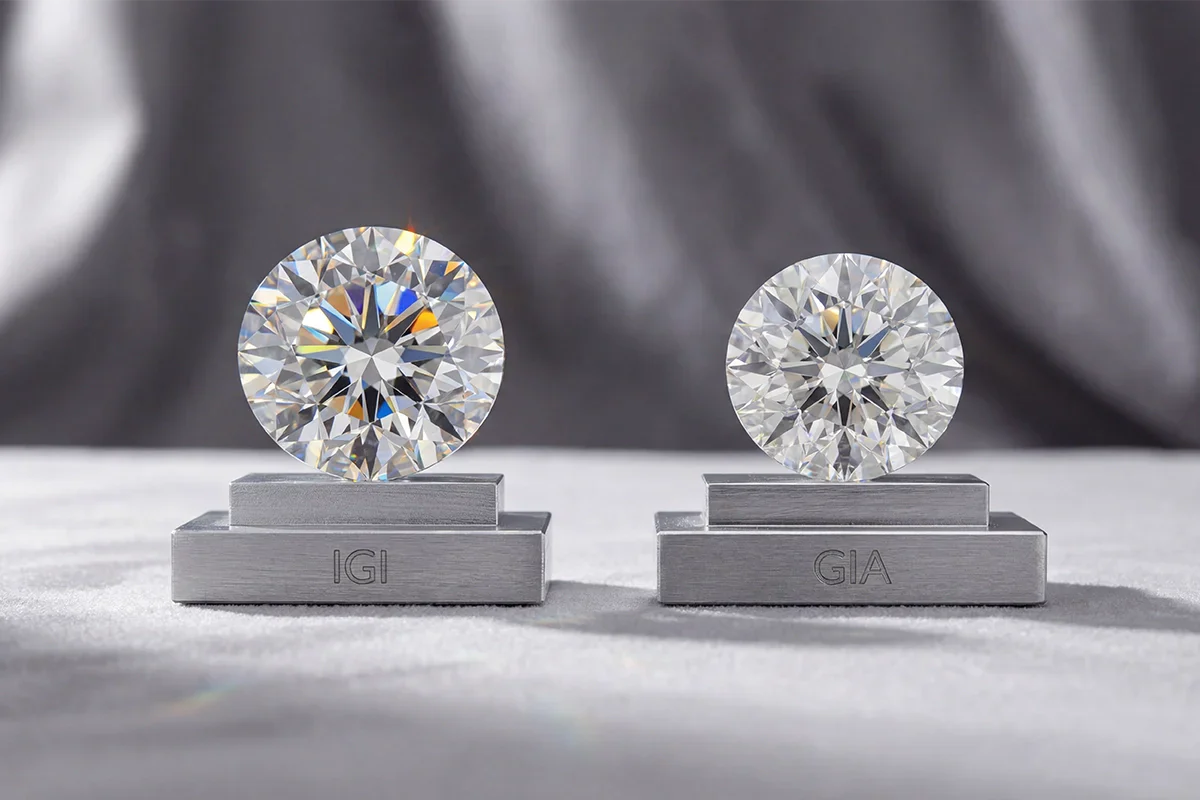
Diamonds have long symbolized beauty, commitment, and timeless value, but modern technology has transformed how these gems are produced and evaluated. Today, many buyers are exploring lab created diamonds as an ethical and affordable alternative to mined stones, while also trying to understand which grading authority to trust. In this context, the discussion often comes down to GIA o IGI, two of the most recognized names in diamond certification. Knowing how these laboratories work, how grading affects value, and how new production methods influence quality can help buyers make confident and informed decisions.
Understanding Diamond Certification
Diamond certification is essential because it provides an independent evaluation of a stone’s characteristics. Laboratories assess the famous “4Cs”: cut, color, clarity, and carat weight. These factors determine both beauty and price.
When shoppers compare certificates, they frequently encounter GIA o IGI as the most widely recognized grading authorities. Each laboratory follows structured procedures to evaluate diamonds, ensuring consistency and transparency. Certification protects buyers from misleading claims and provides documentation that can be used for insurance or resale.
Although both institutions are respected globally, they may differ slightly in grading strictness or presentation style. This is why understanding how reports are created is just as important as the grades themselves.
What Are Lab-Grown Diamonds?
Modern technology now allows scientists to grow real diamonds in controlled environments using methods such as High Pressure High Temperature (HPHT) or Chemical Vapor Deposition (CVD). These processes produce stones that are physically, chemically, and optically identical to mined diamonds.
Because of this, lab created diamonds have become increasingly popular among buyers who value sustainability and cost efficiency. They typically require fewer natural resources and have a smaller environmental footprint compared to traditional mining.
Another reason for their rising demand is affordability. Consumers can often purchase a larger or higher-quality stone within the same budget. Despite being manufactured, these diamonds are genuine, not imitations like cubic zirconia or moissanite.
Comparing Grading Standards
When comparing certification reports, many jewelers and buyers evaluate GIA o IGI to understand differences in grading philosophy. The Gemological Institute of America (GIA) is often known for strict and conservative grading, while the International Gemological Institute (IGI) is recognized for wider availability and faster certification services.
These differences do not mean one is unreliable; rather, they reflect variations in approach. Some retailers prefer one lab over another depending on market needs, inventory turnover, and customer expectations. For buyers, the key is consistency—comparing diamonds graded by the same laboratory helps ensure fair evaluation.
Understanding grading terminology also helps prevent confusion. For example, slight differences in color or clarity grades may not be visible to the naked eye, yet they can significantly influence price.
Quality Factors That Matter Most
Regardless of origin, the beauty of a diamond depends heavily on how it interacts with light. Cut quality affects brilliance and sparkle more than any other factor. Even among lab created diamonds, a well-cut stone can appear far more impressive than a larger but poorly cut one.
Clarity refers to internal inclusions or external blemishes, while color measures how close the diamond is to being colorless. Carat weight indicates size, but bigger does not always mean better if other factors are weak.
Modern buyers increasingly prioritize balance among the 4Cs rather than focusing on a single characteristic. This approach often leads to better value and more visually appealing jewelry.
Pricing and Value Considerations
One of the strongest reasons people consider lab created diamonds is their price advantage. These stones can cost significantly less than mined diamonds of comparable quality. The lower price does not mean lower authenticity; it simply reflects differences in supply chains and production methods.
Market trends also influence pricing. As production technology improves, availability increases, which can gradually reduce costs further. However, resale value may differ from natural diamonds, so buyers should consider long-term expectations before making a purchase.
Value is not just financial. Ethical sourcing, environmental responsibility, and personal beliefs play an increasingly important role in modern jewelry decisions.
Choosing Between Certification Laboratories
When deciding which report to trust, many shoppers again compare GIA o IGI based on reputation, grading style, and retailer recommendations. Some luxury brands prefer stricter grading for prestige, while others prioritize accessibility and quicker turnaround.
It is helpful to review the certificate itself, not just the grade summary. Detailed diagrams, measurements, and fluorescence information provide deeper insight into the stone’s characteristics. Asking the jeweler to explain these details can make the buying process more transparent.
Ultimately, a reputable seller combined with a recognized laboratory report offers the best protection for consumers.
Consumer Confidence and Transparency
Trust is essential in the diamond industry. Clear documentation, return policies, and verified grading all contribute to a secure purchase experience. This is why discussions around GIA o IGI remain central when buyers compare options in different markets.
At the same time, increased awareness about sustainability has pushed many retailers to highlight lab created diamonds as a responsible alternative. Transparent sourcing and traceable production methods appeal especially to younger buyers who prioritize ethical consumption.
Education plays a major role here. The more customers understand grading reports and production methods, the less likely they are to rely solely on marketing claims.
Practical Buying Tips
Before making a purchase, set a realistic budget and decide which of the 4Cs matters most for your needs. Viewing diamonds under proper lighting conditions can reveal differences that photos may hide. When reviewing certificates, comparing stones graded by GIA o IGI within the same category can help ensure fair judgment.
It is also wise to ask about upgrade policies, warranties, and maintenance services. Jewelry is often a long-term investment, and after-sales support adds significant value. Taking time to compare multiple options usually leads to better satisfaction.
Conclusion
The diamond market has evolved dramatically, offering buyers more choices than ever before. Understanding certification, grading standards, and production methods is essential for making confident decisions. Recognized authorities like GIA o IGI provide structure and credibility to the evaluation process, helping consumers compare stones with clarity and trust. At the same time, growing interest in lab created diamonds reflects changing priorities toward affordability, sustainability, and innovation. By learning how quality factors, certification, and personal values intersect, buyers can select a diamond that not only looks beautiful but also aligns with their expectations for ethics, durability, and long-term worth.